
Understanding the psychological factors that influence gambling behavior in casinos
The Allure of the Casino Environment
The design of casinos is meticulously crafted to create an atmosphere that entices visitors to stay longer and spend more. From the bright lights and vibrant colors to the sounds of ringing slots and cheering winners, every element is strategically chosen. This sensory overload plays a crucial role in engaging players, often leading them to lose track of time and money as they immerse themselves in the experience. Aiming to understand this phenomenon further, many turn to resources like spinania to explore the intricacies of casino dynamics.
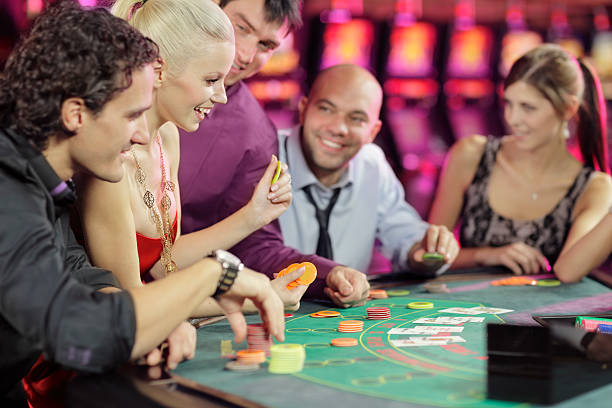
The layout of a casino is also purposefully disorienting, with a lack of windows and clocks. This absence of external cues enhances the feeling of being in a different world, allowing players to escape reality. Such an environment can trigger impulsive behavior, making individuals more likely to gamble beyond their intended limits.
Psychological Triggers and Gambling Addiction
Psychological factors, such as the thrill of risk and the potential for reward, are central to gambling behavior. Many gamblers experience a rush from the unpredictability of games, which can trigger the release of dopamine in the brain. This neurotransmitter is associated with pleasure and reward, creating a compelling reason to continue gambling even in the face of losses.
Additionally, individuals may develop gambling addiction due to various psychological triggers, including stress, anxiety, or depression. For some, gambling serves as a coping mechanism to escape negative emotions. This reliance can lead to a cycle where players feel compelled to gamble more in hopes of recovering losses, further deepening their addiction.
Social Influences on Gambling Behavior
Social dynamics can significantly impact gambling behavior in casinos. The presence of peers can amplify the excitement and encourage risk-taking. Social gambling often leads to a competitive atmosphere, where individuals may feel pressured to keep up with friends or strangers, resulting in increased betting amounts.
Moreover, gambling can serve as a social activity, where individuals bond over shared experiences. This communal aspect can make the act of gambling more appealing, as players enjoy not just the games but the social interaction that accompanies them. However, it is essential to recognize that this camaraderie can also mask detrimental behaviors and encourage excessive gambling.
The Role of Marketing and Promotions
Casinos employ various marketing strategies to attract and retain customers, often highlighting bonuses and promotions that can enhance the gambling experience. These incentives can create a sense of urgency and excitement, compelling players to engage with specific games or events. The perception of receiving a deal can further motivate individuals to gamble, even when they might not have intended to do so initially.
Additionally, loyalty programs that reward frequent visitors with perks can reinforce gambling behavior. Players may feel obligated to return to the casino to maximize their benefits, leading to more extended visits and increased spending. This strategic use of marketing reinforces the psychological draw of gambling while creating a cycle of dependency.
Learn More on Our Website
To gain deeper insights into gambling behavior and psychological factors, our website provides a wealth of resources and research articles. We delve into the various aspects of gambling, helping individuals understand the psychological triggers that may influence their choices.
By exploring these materials, visitors can arm themselves with knowledge to make informed decisions regarding gambling, whether for fun or as a serious pastime. We aim to promote responsible gambling by educating players on the psychological elements at play within the casino environment.
