
Understanding the basics of gambling A beginner's guide
What is Gambling?
Gambling is the act of wagering money or something of value on an event with an uncertain outcome, primarily driven by the desire to win additional money or material goods. This practice has existed for centuries, with various forms found in cultures around the world. From ancient betting on gladiatorial contests to modern online casinos, gambling has evolved but remains a popular pastime. In fact, engaging with a chicken road game casino adds a modern twist to traditional gaming experiences.
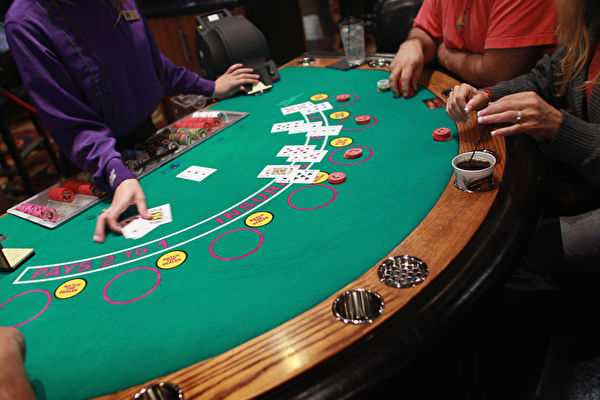
At its core, gambling relies on risk and chance, often appealing to individuals seeking excitement or an adrenaline rush. Various games, such as poker, blackjack, and slot machines, each come with their own set of rules and strategies, enticing players with the possibility of winning. Understanding these fundamentals is crucial for anyone considering entering the world of gambling.
Types of Gambling
Gambling can be categorized into several types, including casino games, sports betting, lotteries, and online gambling. Casino games encompass a range of options, from table games like roulette and baccarat to slot machines. Each offers different odds and levels of skill, appealing to a wide array of players.
Sports betting allows enthusiasts to wager on their favorite teams or athletes, adding an extra layer of excitement to the events. Lotteries, often run by governments, provide a chance to win large sums with relatively low entry costs, while online gambling has surged in popularity, providing convenient access to various games from the comfort of home. Everyone should understand the intricacies of gambling before diving in.
Understanding Odds and House Edge
To navigate the gambling landscape effectively, it is essential to understand odds and the house edge. Odds reflect the probability of a specific outcome occurring, often presented in formats such as fractional, decimal, or moneyline. Grasping these odds helps players make informed decisions and better evaluate potential winnings.
The house edge is the built-in advantage that casinos have over players in games, ensuring profitability in the long run. Each game has its own house edge, which influences how often players can expect to win. Understanding these concepts can lead to smarter gambling decisions and a more enjoyable experience overall.
Common Myths About Gambling
Despite its popularity, gambling is surrounded by numerous myths that can mislead beginners. One common misconception is that certain games are “due” for a win after a series of losses. In reality, each event in games of chance operates independently, and past outcomes do not influence future results. Understanding this is crucial for managing expectations.
Another prevalent myth is that gambling can be a reliable source of income. While some players may enjoy short-term success, the reality is that the odds favor the house. It’s essential for beginners to approach gambling as a form of entertainment rather than a means of financial gain, ensuring a more responsible and enjoyable experience.
Exploring Online Gambling
Online gambling has revolutionized the way people engage with various games, offering a convenient and accessible platform for players. With a plethora of options available, including virtual casinos, poker rooms, and sports betting sites, players can explore their favorite activities from anywhere with an internet connection.
The appeal of online gambling lies in its accessibility and variety. Players can enjoy games at their own pace, and many platforms offer free play options to practice skills before wagering real money. However, it’s vital to choose reputable sites that prioritize player safety and fair play, ensuring a secure gambling experience.
