
Casino slot machines are among the most popular forms of gambling entertainment worldwide. Their allure lies in the simplicity of play and the potential for substantial winnings. However, the mechanics behind these machines are complex, involving a combination of technology, mathematics, and psychology. This report aims to elucidate how slot machines operate, focusing on their design, random number generation, payout structures, and player interaction.
At the core of every slot machine is the Random Number Generator (RNG), a crucial component that ensures fair play. The RNG is an algorithm that continuously generates random numbers, even when the machine is not in use. When a player pulls the lever or presses the spin button, the RNG selects a number corresponding to a specific outcome on the machine’s reels. This process occurs in milliseconds, making it impossible for players to predict the result of any spin.
Modern slot machines typically feature digital displays that simulate traditional mechanical reels. Each reel contains a variety of symbols, and the outcome of a spin is determined by the alignment of these symbols across one or more paylines. A payline is a line that crosses through the reels, and players can win by landing matching symbols along these lines. The number of paylines can vary significantly between machines, with some offering hundreds of ways to win.
The payout structure of slot machines is determined by the Return to Player (RTP) percentage, which indicates the average amount a player can expect to win back over time. For example, a machine with an RTP of 95% theoretically returns $95 for every $100 wagered. However, this percentage is calculated over a long period and numerous plays, meaning individual sessions may yield different results. The house edge, which is the casino’s advantage, is built into the machine’s design, ensuring profitability for the casino in the long run.
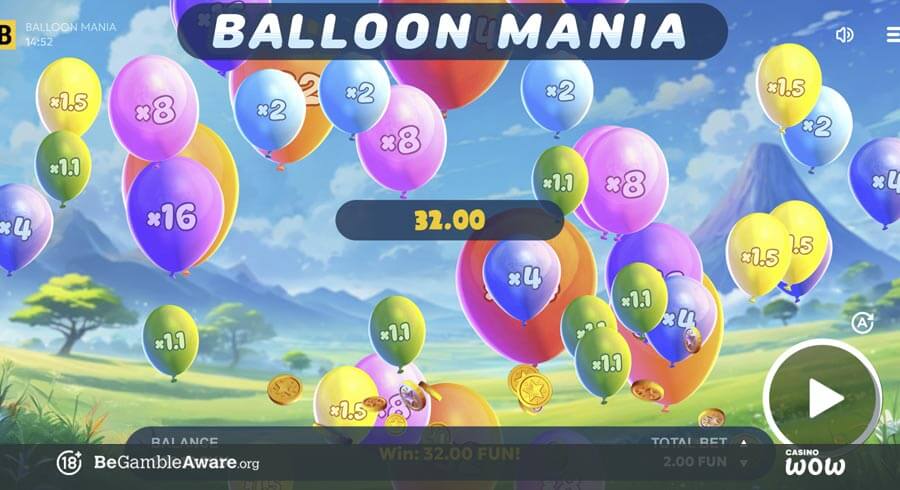
In addition to RTP, slot machines may also incorporate various bonus features that enhance the gaming experience. These can include free spins, multipliers, and interactive bonus rounds, which can lead to larger payouts. Such features are designed not only to increase the excitement of the balloon mania game but also to encourage players to continue playing. The psychology of gambling plays a significant role here; the anticipation of winning can be just as thrilling as the actual win, leading to prolonged engagement with the machine.
The design of slot machines also incorporates visual and auditory elements that contribute to their appeal. Bright colors, engaging themes, and enticing sound effects are strategically used to create an immersive experience. These elements are not merely aesthetic; they are crafted to trigger emotional responses that keep players engaged and returning for more.
In conclusion, casino slot machines operate through a sophisticated interplay of technology, mathematics, and psychology. The use of RNG ensures fair and random outcomes, while the payout structures and bonus features enhance player engagement. Understanding these mechanics can help players make informed decisions while enjoying the entertainment that slot machines offer. Whether played for fun or for profit, slot machines remain a staple of the casino experience, blending chance with the thrill of possibility.
